Learn to codeby building your own worlds.
When people hear “programming,” they imagine making websites, managing backends, APIs, competitive programming — problems solved once and forgotten.
That's where Game Development is different. You make worlds with your own laws, physics & organization. You define what's possible, what's not.
Hunt monsters with your friends —
reimagine and explore places beyond the universe.
Step into history.
Not to replay it — to break it.
Change one decision. Watch the timeline bend, fracture, rewrite itself.
There are no limits —
except the ones you choose to write.
Along the way, you learn the same fundamentals used across software development — logic, systems, architecture.
Games as a Starting Point
For many well-known software engineers and tech leaders, games weren't a distraction — they were an entry point. Building or modifying simple games is often how curiosity about programming turns into real technical skill.
Mark Zuckerberg
Founder of Facebook (Meta)
Built computer games and interactive software as a teenager. His early interest in games and experimentation led to Synapse, a music recommendation system he built before college.
Elon Musk
Founder of Tesla & SpaceX
At age 12, coded and sold a space-themed video game called Blastar for $500. Writing a simple game was his first exposure to programming and software problem-solving.
Steve Wozniak
Co-founder of Apple
A lifelong arcade game enthusiast, Wozniak designed the hardware for Atari's Breakout, optimizing chips and circuitry — an early example of systems-level thinking through games.
Marc Benioff
Founder & CEO of Salesforce
Started programming by building and selling Atari games as a teenager. His early gaming projects became the foundation for his first software business, Liberty Software.
Popular Game Engines
Game engines are the software environments used to build games and interactive applications. They provide the core systems needed to create, run, and update a world in real time.
Unity
Beginner friendly, lightweight, and fast to iterate. Ideal for 2D games, stylized 3D, and learning fundamentals.
- Great first engine
- Runs well on most laptops
- Massive learning resources
Requirements: 8 GB RAM, basic or integrated GPU
Some games made with Unity
- Pokémon GO
- Among Us
- Fall Guys
- Beat Saber
- Subnautica
- Hollow Knight
- Genshin Impact
Unreal Engine
High fidelity visuals and powerful built-in systems. Excellent for FPS, horror, and cinematic experiences.
- Strong visuals out of the box
- Blueprint visual scripting
- Scales to AAA complexity
Requirements: 16 GB RAM recommended, dedicated GPU
Some games made with Unreal Engine
- Black Myth: Wukong
- Unrecord
- Batman: Arkham Knight
- PUBG
- Ark: Survival Evolved
- Fortnite
- Tekken 8
- Borderlands
Unbound Playground - Game Jam Tracks
Choose a direction that excites you. Build a complete, playable experience. We care more about how you think than how polished it looks.
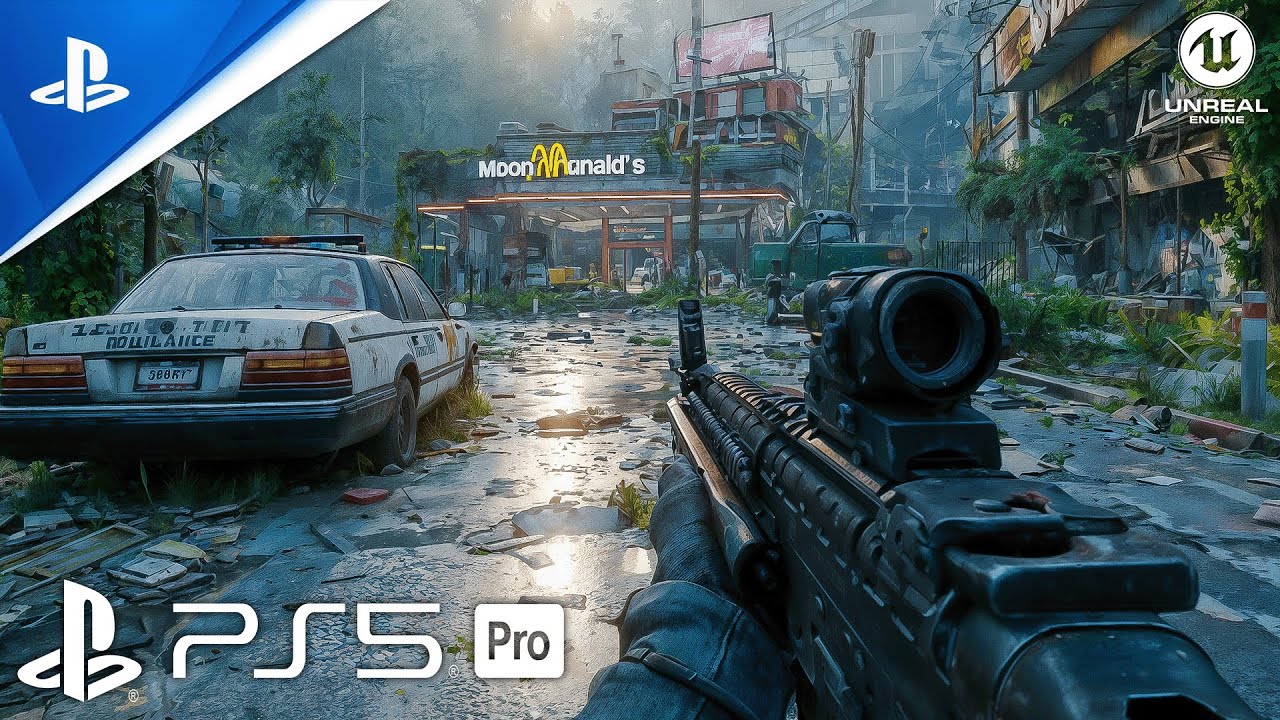
First-Person Shooter
Core 3D Gameplay
- Character Animations
- Weapon Logic
- UI & VFX
- Aim Down Sight Logic
- Target AI

First-Person Parkour
Core 3D Gameplay
- Wall-running
- Sliding
- Momentum-based movement
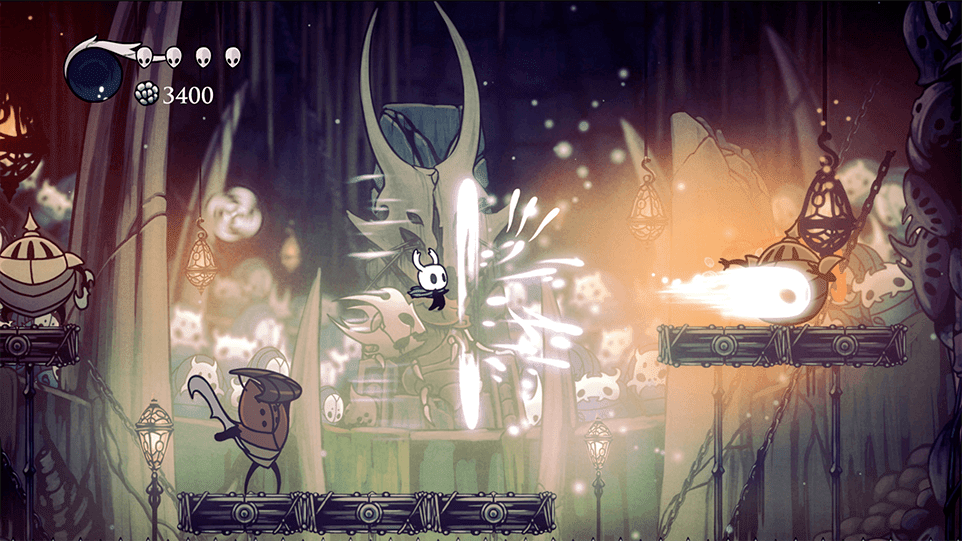
2D Platformer
2D Fundamentals
- Tight jump feel
- Enemy patterns
- Level flow

Horror Game
Atmosphere & Systems
- Tension-driven lighting
- Environmental storytelling
- Chase / scare sequences

AR Solar System
AR / Experimental
- Planet scaling
- Orbital motion
- Interactive labels

AR Dart Board
AR / Experimental
- Real-world surface placement
- Throw interaction
- Score feedback UI

Open Track
Anything Goes
- Any genre
- Any engine
- Any interaction style
- Any idea you care about
Learning Resources & Roadmaps
The Game Dev team at ArIES has curated structured, well-guided learning roadmaps to help you complete the projects from each track with clarity.
Track-Specific Learning Playlists
If you choose a project from the tracks above, follow the curated playlists prepared specifically for that project.
- Central Drive folder with all track resources
- Or use the playlist links directly inside each track card
Advanced Engine Resources
After completing your assigned project, you can continue with deeper, engine-focused learning paths.
Advanced Plus (Multiplayer Resource)
It is recommended to dive into multiplayer development only after finishing the advanced playlist.
Game Jam — FAQs
There are no rigid rules. If you want to try something unconventional, consult an admin first. The main objective is to learn, experiment, and deepen your understanding.